


Get in touch for expert advice
Speak to our team about your project and discover how our specialist services can support you.

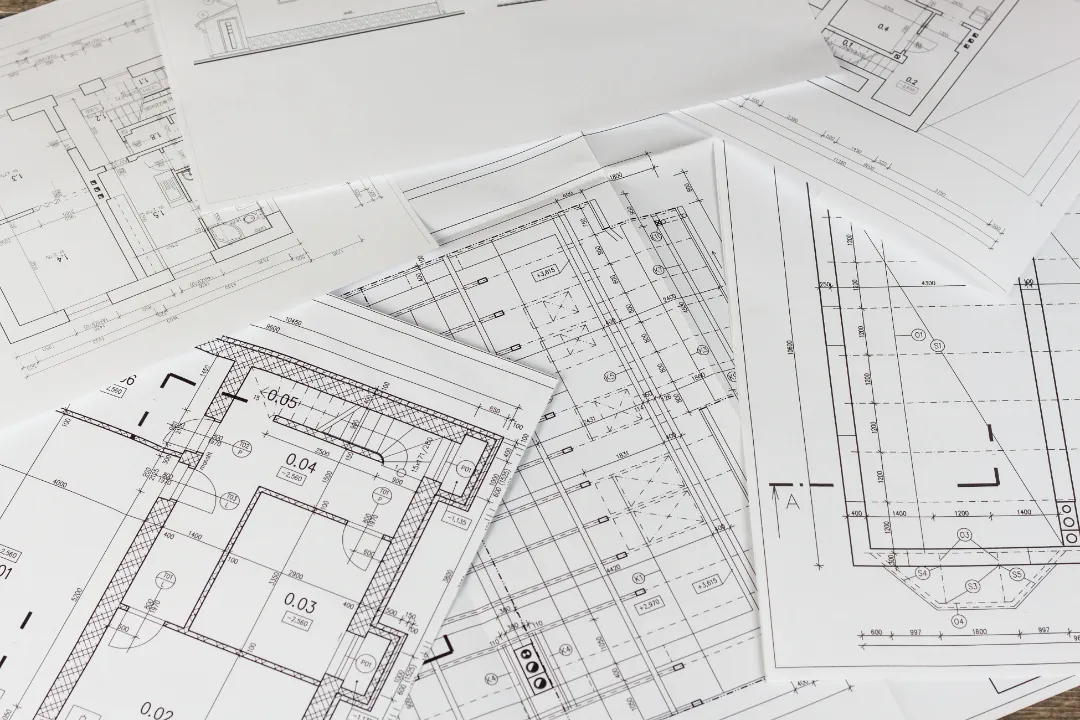

We design below-ground gas protection systems based on forensic site assessment and BS8485 compliance—not manufacturer preference. Our independence means you receive unbiased system specification tailored to actual ground conditions. With hands-on QA monitoring and insurance-backed expertise, we protect your project from both gas ingress and future liability.
Independence matters. We have no ties to manufacturers or contractors, so our advice is genuinely impartial, and you’ll get solutions designed around your project's requirements.
Effective solutions start with proper diagnosis. We develop bespoke designs based on site analysis, risk assessment, and compliance requirements—tailored to your building's conditions and usage.
We have over sixty years of combined industry experience – and we've never had a claim made against our designs. This track record comes from our uncompromising standards.
Our expertise includes thorough understanding of British Standards and building regulations, ensuring your project achieves compliance.

Speak to our team about your project and discover how our specialist services can support you.
Ground gases present hidden but serious threats to below-ground structures. Methane can create explosive conditions, while radon and carbon dioxide pose long-term health risks to occupants. Failing to address these hazards results in regulatory breaches and expensive remedial works. Effective gas protection is fundamental to building safety, legal compliance, and long-term asset performance. As independent specialists, our team has all of the knowledge and experience needed to design and install below ground gas protection systems.
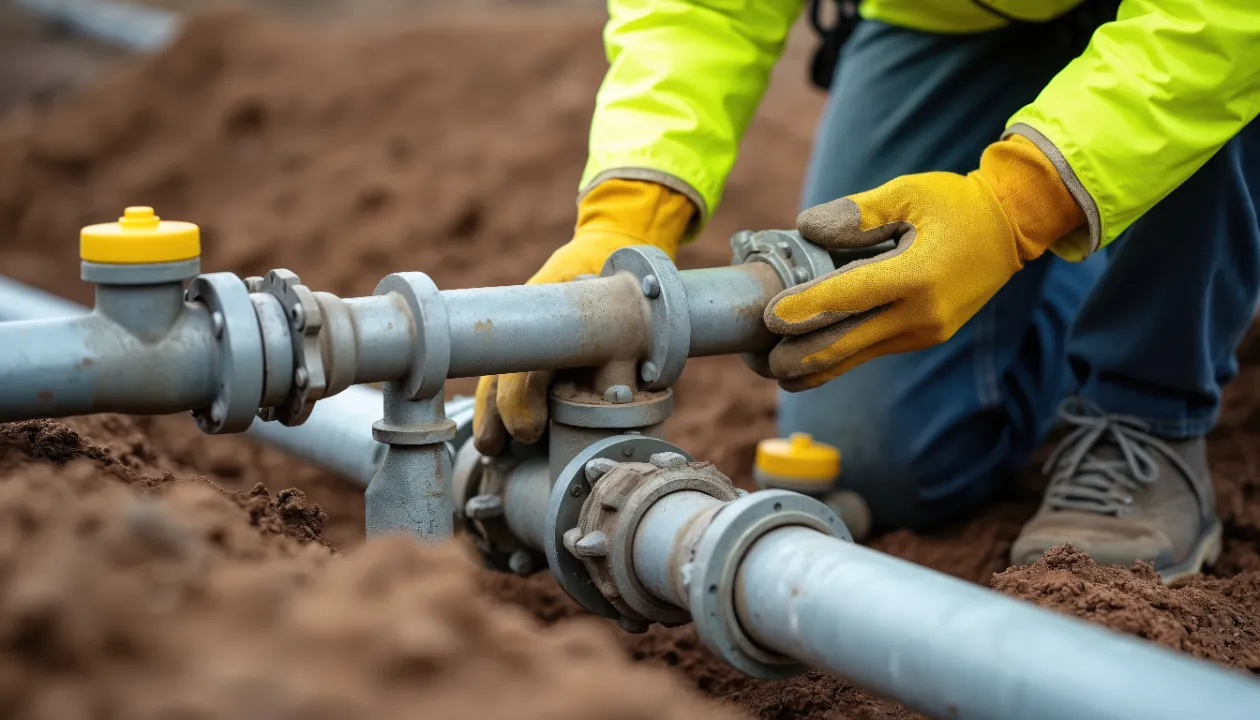
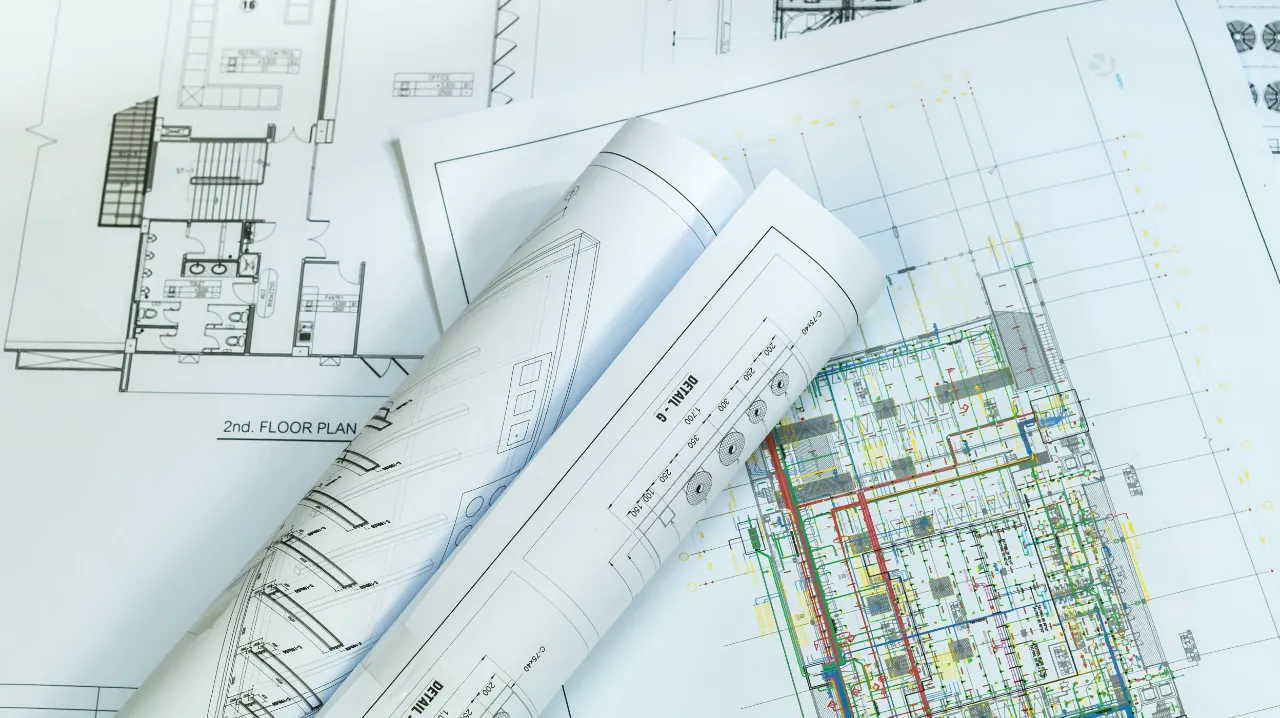
Our design process begins with thorough site analysis—reviewing ground investigation data, gas monitoring results, and geological conditions to establish actual risk levels. We then specify protection measures aligned to BS8485 +A1, selecting appropriate membranes, ventilation strategies, and verification methods based on site-specific hazards—not generic solutions.
Every design includes detailed specifications, CAD drawings, and installation guidance to ensure systems perform as intended and withstand long-term ground conditions. Speak with our team today to discuss your project.
Here are answers to frequently asked questions about our services. If you have other questions, please don't hesitate to get in touch.
See all FAQsBelow-ground gas protection refers to systems designed to prevent harmful gases—such as methane, carbon dioxide, and radon—from entering buildings through foundations and substructures. Protection typically involves gas-resistant membranes, ventilation layers, and monitoring provisions specified to BS8485+A1.
Gas protection is required when ground investigation reports identify the presence of ground gases, contaminated land, or radon risk zones. Building control will not approve developments on affected sites without appropriate protection measures in place, regardless of building use or size.
BS8485+A1 is the British Standard for the design of protective measures for buildings against hazardous ground gases. It provides guidance on risk assessment, system selection, installation requirements, and verification testing to ensure occupant safety and regulatory compliance.
Retrofitting gas protection is extremely difficult and costly once a building is complete. Membranes should be installed during foundation works and integrated with structural elements. This is why early-stage design input and independent verification during construction are critical.
Contractors and product manufacturers have commercial interests in specific systems. As independent consultants, we assess your site objectively and specify the most effective solution—not the most profitable one for a supplier.
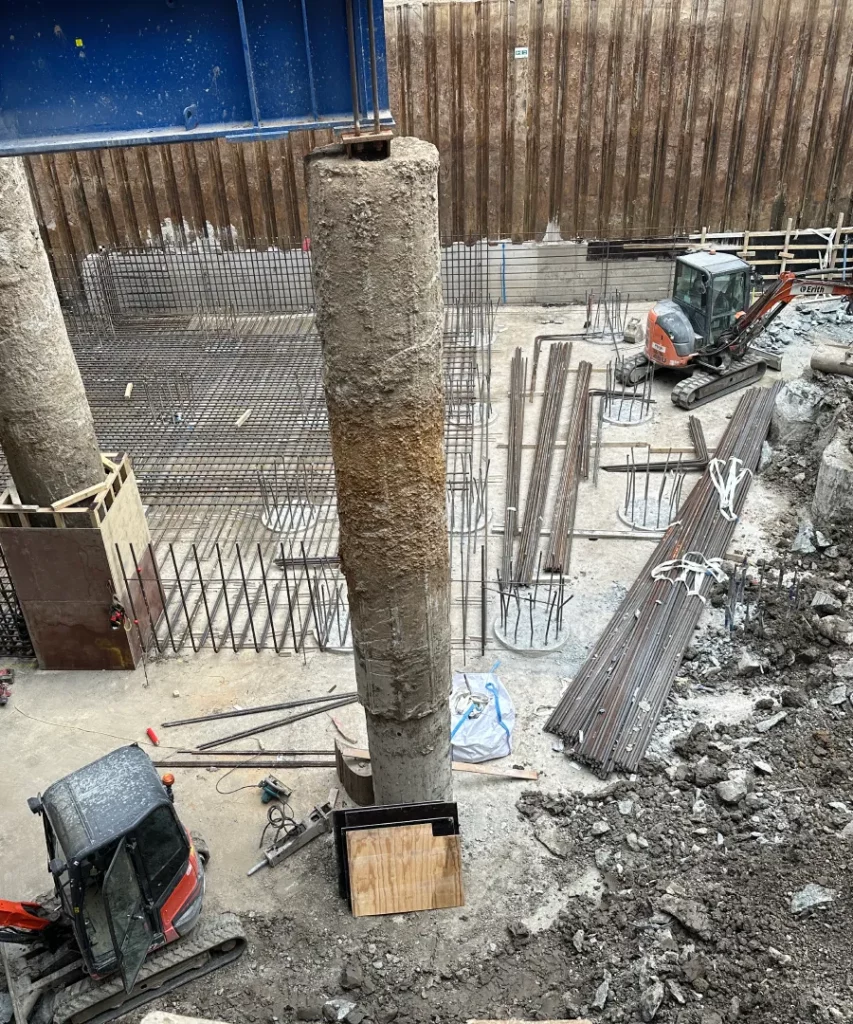
Problem Surv-A appointed to design, monitor and quality audit the below ground structural waterproofing for a prestigious building that was Fenwick dept. Store. The building...
Read more
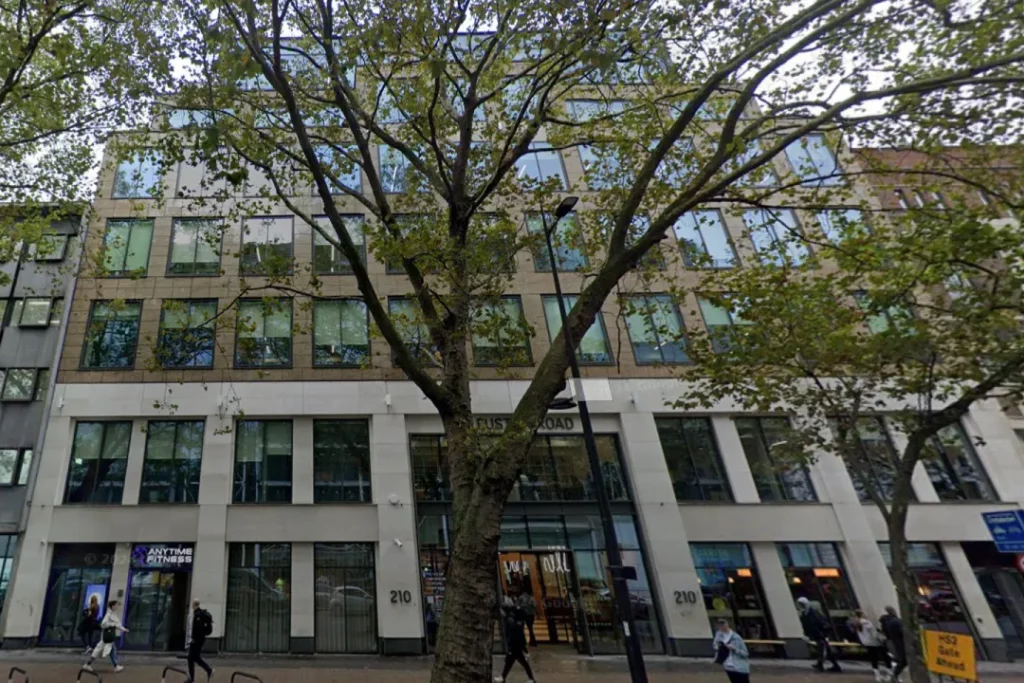
Problem The basement was suffering from visible mould growth and dampness. Free water was also discovered entering via cracks in the structure. An intrusive and...
Read more
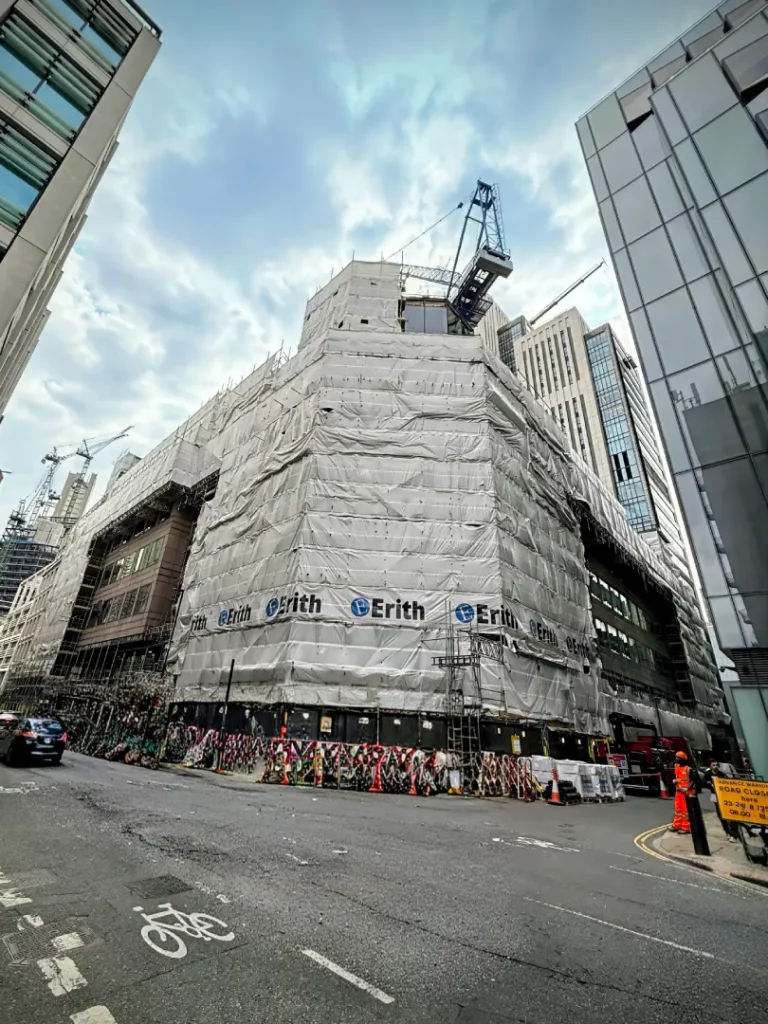
Problem Severe and widespread ground water ingress affected the double basement areas, with significant cracking of the structure. The hydrostatic pressures on the original structure...
Read more
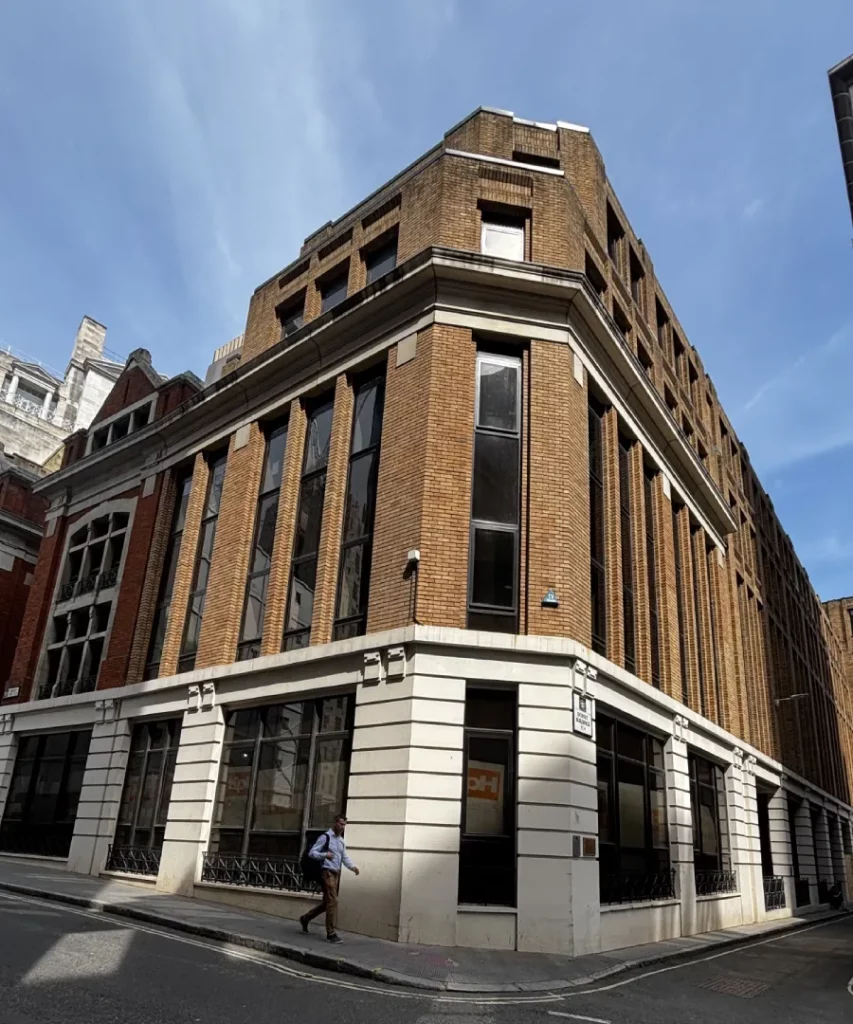
This is another project through one of our best clients, blackburn (project consultants) we carried out a condition survey of an existing building just off...
Read more
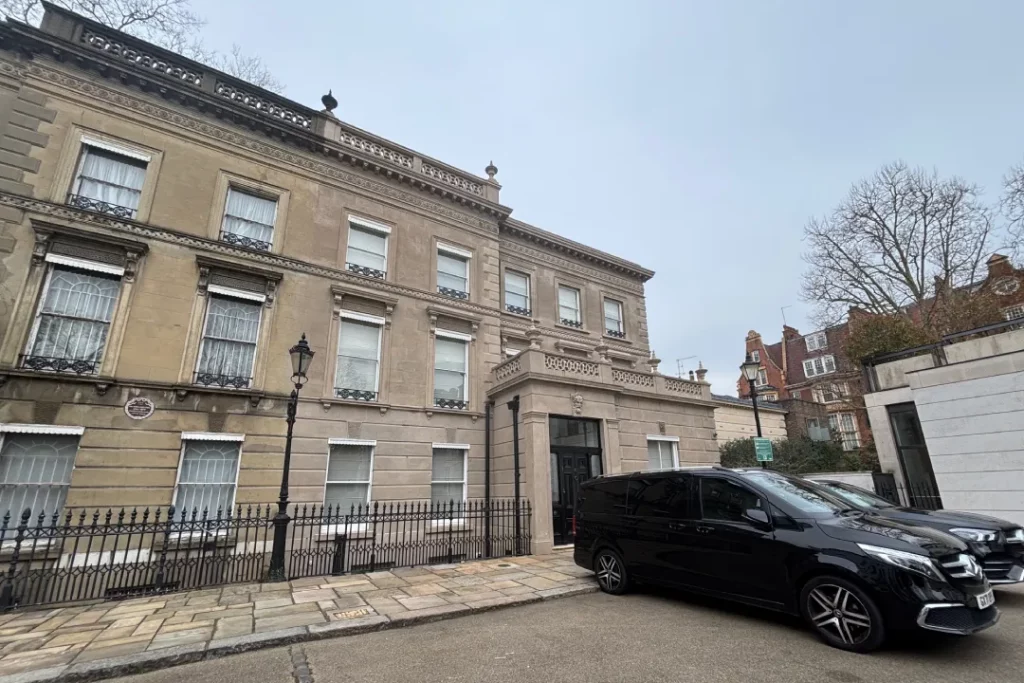
This is a sensitive ongoing defect investigation. The house was extended significantly back in 2016 with the major change being below ground structures. The existing...
Read more
Semper tempus fermentum mauris cras neque amet ipsum. At est gravida proin mauris nulla. Cursus nec magnis tellus suspendisse.
Chloe Clapp
Purplex


Semper tempus fermentum mauris cras neque amet ipsum. At est gravida proin mauris nulla. Cursus nec magnis tellus suspendisse.
Terry Howard
TH Architectural
Surv-A Consultants is an independent technical consultancy specialising in below ground waterproofing design, ground gas protection, defect investigation, and building pathology. Supporting architects, engineers, contractors, developers, and surveyors with clear specifications, quality assurance, and evidence led reporting.